
Do you feel tired all the time even after a full night’s sleep? Are you dealing with constant brain fog shortness of breath or noticing more hair falling out than usual?
These symptoms are easy to dismiss as stress lack of sleep or a busy lifestyle. But there’s another possibility that many people overlook.
Your body may not have enough iron.
Iron deficiency is one of the most common nutritional problems worldwide and it’s especially common among women people with heavy periods vegetarians pregnant women and anyone recovering from illness. In the UAE where busy schedules often push health checks to the bottom of the priority list low iron stores can go unnoticed for months before they’re discovered.
The challenge is that a standard blood test doesn’t always tell the full story.
Your hemoglobin level might appear normal while your iron stores are already running low. That’s why an Iron Profile Test provides a much clearer picture. Instead of looking at just one number it measures four important markers that show how your body absorbs transports and stores iron. This helps identify iron deficiency early confirm iron overload and explain symptoms that otherwise have no obvious cause.
The best part?
You don’t have to spend hours waiting at a clinic or laboratory.
With professional athome Iron Profile Testing in Dubai a qualified healthcare professional visits your home hotel or office at a time that suits you. A simple blood draw takes only a few minutes and your sample is sent to an accredited laboratory for accurate analysis. You’ll receive clear results along with practical guidance on the next steps so you can understand what’s happening inside your body without the confusion of medical jargon.
In this complete guide you’ll discover what an Iron Profile Test measures who should consider getting tested how to prepare for the test what your results actually mean and why athome testing has become one of the easiest and most convenient ways to monitor your iron health in Dubai.
If you’ve been searching for answers to unexplained fatigue weakness or hair loss this simple blood test could be the missing piece of the puzzle.
Think of iron as the fuel that helps your red blood cells carry oxygen from your lungs to every organ muscle and tissue in your body. Without enough iron your body has to work much harder to do everyday tasks leaving you feeling tired weak and unable to concentrate.
An Iron Profile Test gives a complete picture of how your body is managing its iron.
Rather than looking at a single value it examines your body’s entire iron system. You can think of it as checking an entire supply chain. It looks at the iron currently travelling through your blood stream the proteins responsible for transporting it and the amount safely stored for future use. This detailed view helps doctors understand not only whether your iron levels are low or high but also why the imbalance is happening.
That’s why an Iron Profile Test is far more informative than checking hemoglobin alone. Many people have low iron stores long before they develop anemia and this test can detect those early changes.
The information in this guide is based on recommendations from leading medical organizations including the American Society of Hematology and the World Health Organization (WHO) ensuring the advice reflects current clinical understanding of iron deficiency and ironrelated disorders.
Serum iron measures the amount of iron circulating in your bloodstream at the time your blood sample is collected.
Because iron levels naturally change throughout the day and can be affected by recent meals this result is most useful when interpreted alongside the other markers in your Iron Profile Test rather than on its own.
TIBC measures how much iron your blood could carry if all the available transport proteins were fully loaded.
The main transport protein is called transferrin which acts like a delivery service carrying iron to the places where your body needs it.
A high TIBC often means your body is trying to capture more iron because your iron stores are running low.
A low TIBC may be seen in certain chronic illnesses liver disease or conditions where iron is already abundant.
Ferritin is your body’s main iron storage protein.
Think of it as your iron reserve.
Low ferritin is usually the earliest sign of iron deficiency often appearing weeks or even months before anemia develops. This is why ferritin is considered one of the most important markers when investigating unexplained fatigue hair loss restless legs or ongoing weakness.
High ferritin doesn’t always mean you have too much iron. It can also rise because of inflammation infection liver disease or other medical conditions so it should always be interpreted in the context of your overall health.
Transferrin Saturation shows what percentage of transferrin is actually carrying iron.
In simple terms it tells you how efficiently your body is delivering iron where it’s needed.
A low transferrin saturation often points toward iron deficiency while a high value may suggest excess iron in the body. When combined with serum iron ferritin and TIBC it helps build a complete picture of your iron status.
No single blood test can tell the whole story.
Someone can have normal hemoglobin but low ferritin meaning their iron stores are already becoming depleted. Others may have normal serum iron but abnormal transferrin saturation or TIBC pointing to an underlying issue with how their body transports or uses iron.
By looking at all four biomarkers together an Iron Profile Test provides a clearer more accurate understanding of your iron health. This allows healthcare professionals to identify iron deficiency early investigate possible iron overload and recommend the most appropriate next steps based on your individual results.
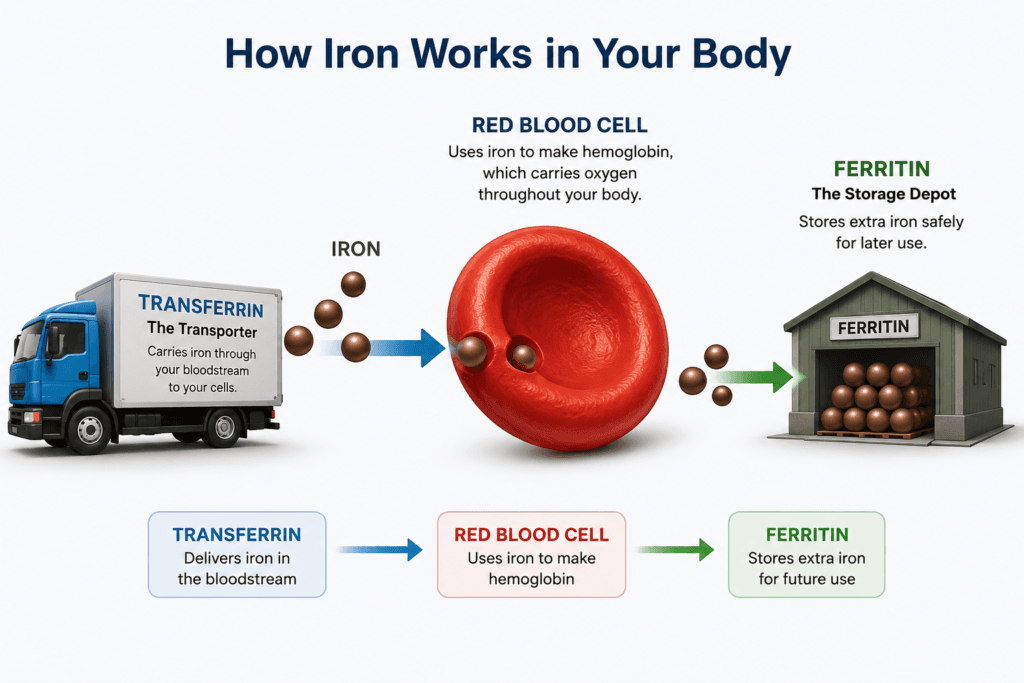
A Complete Blood Count (CBC) is one of the most common blood tests but it doesn’t tell the whole story when it comes to your iron health.
A CBC mainly measures your hemoglobin hematocrit and the number and size of your red blood cells. These values are excellent for detecting anemia once it has developed.
The problem?
By the time your hemoglobin starts to fall your body’s iron stores may have been running low for weeks or even months.
An Iron Profile Test looks much deeper.
Instead of checking only the end result it measures the amount of iron circulating in your blood how much is stored for future use and how efficiently your body is transporting it. This means it can identify iron deficiency much earlier often before anemia appears on a CBC.
Early detection makes a real difference.
Finding low iron stores before they become severe allows you and your healthcare provider to address the cause make appropriate dietary or treatment changes and prevent symptoms from getting worse. Acting early may help improve fatigue reduce excessive hair loss support healthy brain function and maintain a stronger immune system before iron deficiency begins affecting your everyday life.
If you’ve been told that your hemoglobin is “normal” but you still feel tired all the time struggle with brain fog experience ongoing hair loss or feel unusually weak don’t assume everything is fine.
Your iron stores may already be running low.
An Iron Profile Test can uncover hidden iron deficiency that a standard CBC may miss giving you a clearer explanation for your symptoms and helping your healthcare provider recommend the right next steps.
Iron deficiency doesn’t happen overnight.
In many cases your body gives you subtle warning signs long before anemia develops. The problem is that these symptoms are easy to blame on stress poor sleep a demanding job or simply getting older.
If you’ve been feeling “off” for weeks or months without a clear explanation your iron levels could be worth checking.
Your body relies on iron to transport oxygen produce energy and support healthy muscles the brain and the immune system. When iron levels begin to fall almost every part of the body can be affected.
You should consider an Iron Profile Test if you’re experiencing one or more of the following symptoms:
Many people assume these symptoms are simply part of a busy lifestyle.
They aren’t always.
Sometimes they’re your body’s way of telling you that your iron stores are running low. An Iron Profile Test can help identify the cause before symptoms become more severe.
While anyone can develop iron deficiency certain groups are much more likely to experience low iron stores and should consider regular testing.
Heavy menstrual periods are one of the leading causes of iron loss.
If you regularly need to change a pad or tampon every hour pass large blood clots or your period lasts longer than seven days your body may be losing iron faster than it can replace it.
During pregnancy your blood volume increases significantly and your growing baby needs iron for healthy development.
Although routine screening is recommended iron deficiency remains common during pregnancy making regular monitoring especially important.
Plant-based foods contain non-heme iron which isn’t absorbed as efficiently as the iron found in meat poultry and seafood.
Even a well-balanced vegetarian or vegan diet can lead to low iron stores if meals aren’t carefully planned with foods that improve iron absorption such as those rich in vitamin C.
Regular intense exercise increases the body’s demand for iron.
Long-distance runners and endurance athletes may lose additional iron through sweating and repeated impact on the feet during training making them more vulnerable to deficiency.
As we age the stomach naturally produces less acid making it harder to absorb iron from food.
Long-term use of antacids and certain medications can further reduce absorption while slow gastrointestinal bleeding becomes more common with age.
Certain medical conditions make it difficult for the body to absorb or retain enough iron.
These include:
If you have one of these conditions regular iron monitoring is often recommended by healthcare professionals.
Every blood donation removes approximately 200–250 mg of iron from the body.
If you donate blood regularly checking your ferritin and overall iron status can help prevent your iron stores from becoming depleted over time.
Iron deficiency is a significant public health concern across the Middle East and North Africa.
Research published in Frontiers in Nutrition has highlighted that dietary iron deficiency remains common throughout the region. In the UAE several lifestyle and dietary habits may contribute to lower iron levels.
Many people regularly drink tea or coffee with meals which can reduce the body’s ability to absorb iron. Traditional diets may also contain fewer sources of easily absorbed heme iron while vitamin D deficiency also common in the UAE may influence healthy iron metabolism.
Combined with busy lifestyles pregnancy heavy menstrual bleeding and restrictive diets it’s easy for low iron stores to develop without obvious warning signs.
The good news is that an Iron Profile Test can identify these changes early often before anemia develops or symptoms begin affecting your daily life.
Ask yourself these questions:
If you answered “Yes” to two or more of these questions an Iron Profile Test may be worth discussing with your healthcare provider.
Keep a simple symptom journal for one to two weeks before your blood test.
Write down your energy levels sleep quality hair loss exercise tolerance menstrual cycle (if applicable) and any other symptoms you’ve noticed.
This small habit can provide valuable context alongside your test results helping your healthcare provider understand not just what your iron levels are but how they’re affecting your everyday life.
Preparing properly for your Iron Profile Test helps ensure your results accurately reflect your body’s iron levels.
The good news is that preparation is simple. A few small steps before your blood draw can make a big difference in the accuracy of your results.
Avoid eating or drinking anything except water for 8–12 hours before your blood test.
Iron levels naturally increase after meals so fasting provides a more accurate baseline and helps your healthcare provider interpret the results correctly.
If you take iron tablets or a multivitamin that contains iron avoid taking it for at least 24 hours before your blood draw unless your healthcare provider advises otherwise.
Even a single dose can temporarily increase your serum iron levels making the test less representative of your usual iron status.
Whenever possible book your blood test early in the day.
Serum iron follows a natural daily rhythm and is generally highest in the morning. Morning testing provides the most consistent and reliable results especially when comparing future tests.
If you have menstrual periods the timing of your test can sometimes influence the results.
For women with heavy periods testing during or shortly after the first few days of the menstrual cycle may reveal the greatest impact on iron stores. If you’re unsure about the best timing speak with your healthcare provider before booking your test.
Try to avoid strenuous exercise on the evening before and the morning of your blood test.
High-intensity workouts can temporarily affect certain iron-related markers making it harder to interpret your results accurately.
Stay well hydrated before your appointment.
Drinking enough water helps make your veins easier to locate making the blood draw quicker smoother and more comfortable.
If you take thyroid medication or other essential prescription medicines don’t stop them on your own.
Most medications do not significantly affect an Iron Profile Test but it’s always best to check with your healthcare provider beforehand if you’re unsure whether anything should be paused before your appointment.
Many people are surprised by how quick and straightforward an at-home blood test is.
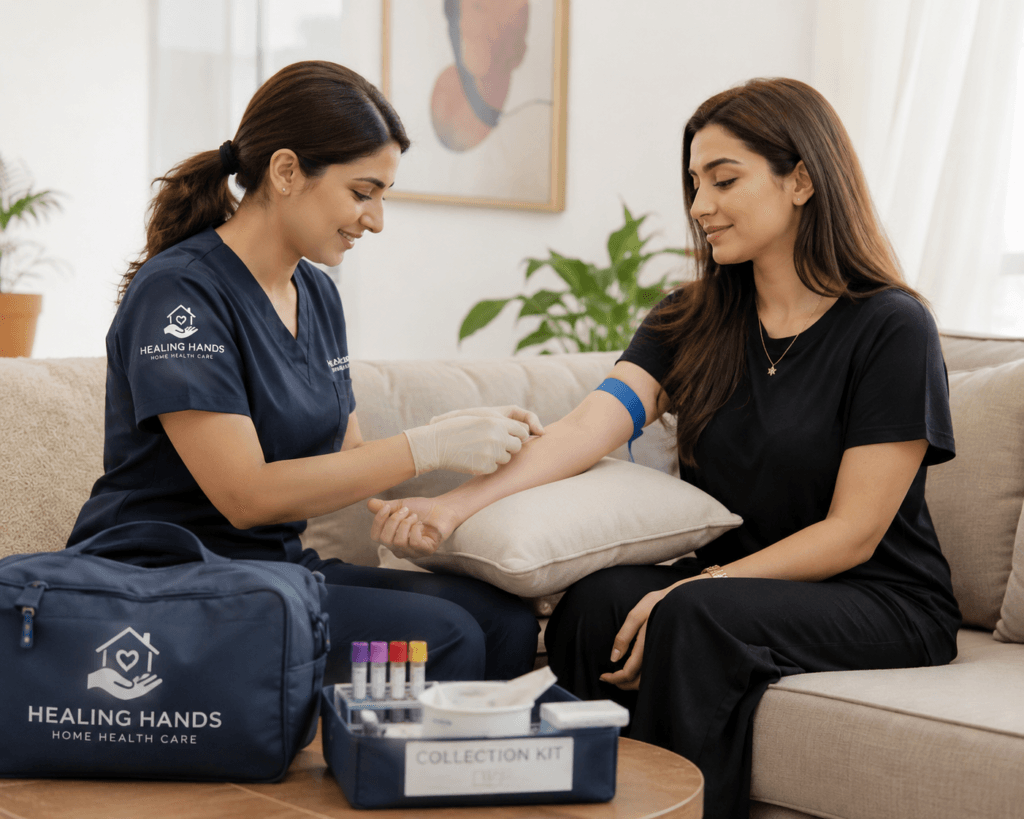
At your scheduled appointment a trained and experienced phlebotomist will visit your home hotel or office with all the equipment needed to collect your sample safely and professionally.
The process usually takes less than five minutes.
Here’s what you can expect:
After a few minutes you can return to your normal daily activities.
You’re not alone.
Many people feel nervous about having blood taken whether it’s their first test or their fiftieth.
Our experienced phlebotomists regularly care for adults and children who are anxious about needles. They take time to explain each step work at your pace and use gentle techniques to make the experience as comfortable as possible.
When appropriate a butterfly needle can be used for people with smaller veins or those who are particularly needle-sensitive. Simple distraction techniques and a calm reassuring approach also help many patients feel more relaxed throughout the procedure.
For most people the blood draw is over before they realise it.
Preparing properly for your Iron Profile Test helps ensure your results accurately reflect your body’s iron levels.
The good news is that preparation is simple. A few small steps before your blood draw can make a big difference in the accuracy of your results.
Avoid eating or drinking anything except water for 8–12 hours before your blood test.
Iron levels naturally increase after meals so fasting provides a more accurate baseline and helps your healthcare provider interpret the results correctly.
If you take iron tablets or a multivitamin that contains iron avoid taking it for at least 24 hours before your blood draw unless your healthcare provider advises otherwise.
Even a single dose can temporarily increase your serum iron levels making the test less representative of your usual iron status.
Whenever possible book your blood test early in the day.
Serum iron follows a natural daily rhythm and is generally highest in the morning. Morning testing provides the most consistent and reliable results especially when comparing future tests.
If you have menstrual periods the timing of your test can sometimes influence the results.
For women with heavy periods testing during or shortly after the first few days of the menstrual cycle may reveal the greatest impact on iron stores. If you’re unsure about the best timing speak with your healthcare provider before booking your test.
Try to avoid strenuous exercise on the evening before and the morning of your blood test.
High-intensity workouts can temporarily affect certain iron-related markers making it harder to interpret your results accurately.
Stay well hydrated before your appointment.
Drinking enough water helps make your veins easier to locate making the blood draw quicker smoother and more comfortable.
If you take thyroid medication or other essential prescription medicines don’t stop them on your own.
Most medications do not significantly affect an Iron Profile Test but it’s always best to check with your healthcare provider beforehand if you’re unsure whether anything should be paused before your appointment.
Many people are surprised by how quick and straightforward an at-home blood test is.
At your scheduled appointment a trained and experienced phlebotomist will visit your home hotel or office with all the equipment needed to collect your sample safely and professionally.
The process usually takes less than five minutes.
Here’s what you can expect:
After a few minutes you can return to your normal daily activities.
You’re not alone.
Many people feel nervous about having blood taken whether it’s their first test or their fiftieth.
Our experienced phlebotomists regularly care for adults and children who are anxious about needles. They take time to explain each step work at your pace and use gentle techniques to make the experience as comfortable as possible.
When appropriate a butterfly needle can be used for people with smaller veins or those who are particularly needle-sensitive. Simple distraction techniques and a calm reassuring approach also help many patients feel more relaxed throughout the procedure.
For most people the blood draw is over before they realise it.
Seeing a page full of numbers on a lab report can feel overwhelming.
Many people receive their results notice a few values marked as “high” or “low” and immediately start searching the internet for answers. Unfortunately individual numbers rarely tell the whole story.
An Iron Profile Test is designed to be interpreted as a complete picture not as four separate results.
One marker may appear normal while another reveals that your iron stores are beginning to fall. That’s why healthcare professionals look at all the biomarkers together along with your symptoms medical history and any existing health conditions before reaching a diagnosis.
The goal isn’t simply to determine whether your iron level is “normal.”
It’s to understand how your body absorbs transports stores and uses iron so the underlying cause of your symptoms can be identified and treated appropriately.
Every laboratory provides a reference range which is the range of values considered typical for most healthy adults.
These ranges are based on factors such as age sex the testing equipment used and the laboratory’s own validated methods. As a result the exact numbers may vary slightly from one laboratory to another.
A result that falls just outside the reference range doesn’t always indicate a medical problem and a result within the normal range doesn’t necessarily mean everything is perfect.
Your healthcare provider will interpret your results alongside your symptoms medical history medications diet and other blood tests to determine what they mean for you.
The explanations in this guide are based on reference information from the Merck Manual Professional Edition and recommendations from the American Society of Hematology but your own laboratory’s reference ranges should always be used when reviewing your report.
An Iron Profile Test measures four important biomarkers each providing a different piece of the puzzle.
Together they help answer four key questions:
Looking at these biomarkers together allows healthcare professionals to detect iron deficiency earlier identify possible iron overload and distinguish between different causes of abnormal iron levels.
In the following sections we’ll explain each biomarker in plain language including its typical reference range what a high or low result may suggest and when further testing or medical evaluation may be recommended.
The table below explains what each marker measures the typical reference range for healthy adults and what high or low results may suggest.
Please remember: Reference ranges can vary slightly between laboratories. Your healthcare provider will always interpret your results using your laboratory’s own reference values together with your symptoms and medical history.
Biomarker | Typical Adult Reference Range* | Low Result May Suggest | High Result May Suggest |
Serum Iron | 60–170 mcg/dL | Iron deficiency chronic blood loss poor dietary intake or reduced iron absorption | Iron overload excessive iron supplementation liver disease or increased red blood cell breakdown |
Total Iron-Binding Capacity (TIBC) | 240–450 mcg/dL | Iron overload liver disease malnutrition or chronic inflammation | Iron deficiency pregnancy or ongoing blood loss |
Ferritin | Women: 12–150 ng/mLMen: 12–300 ng/mL | Low iron stores iron deficiency (even before anemia develops) or chronic blood loss | Inflammation infection liver disease iron overload or less commonly certain cancers |
Transferrin Saturation (TSAT) | 20–50% | Iron deficiency poor dietary intake or chronic blood loss | Iron overload hereditary hemochromatosis excessive iron supplementation or hemolytic anemia |
Reference ranges may differ slightly depending on the laboratory testing method age and sex. Ferritin ranges may also vary for postmenopausal women.
Important: Ferritin is an acute-phase reactant meaning it can increase during infection or inflammation even when iron stores are actually low. That’s why ferritin should always be interpreted alongside the other iron markers and in some cases additional blood tests such as C-reactive protein (CRP).
Looking at one result on its own rarely tells the full story.
Healthcare providers interpret all four biomarkers together to understand what’s happening inside your body.
Low Serum Iron + Low Ferritin + High TIBC + Low Transferrin Saturation
This is the most common pattern.
It shows that your body’s iron stores have been depleted and your body is producing more transferrin in an attempt to capture every available bit of iron. This pattern is commonly seen in people with heavy menstrual periods chronic blood loss poor dietary intake or reduced iron absorption.
Low Serum Iron + Low or Normal Ferritin + Low TIBC + Low Transferrin Saturation
This pattern may occur when inflammation prevents your body from using stored iron properly.
Although iron may be present it becomes difficult for the body to access it. Chronic infections autoimmune diseases kidney disease and other long-term inflammatory conditions can produce this pattern and usually require additional investigation.
High Serum Iron + High Ferritin + Low TIBC + High Transferrin Saturation
This combination may suggest iron overload.
Possible causes include hereditary hemochromatosis excessive iron supplementation repeated blood transfusions or certain liver conditions. Because excess iron can gradually damage the liver heart pancreas and other organs further medical evaluation is important.
Normal Serum Iron + Low Ferritin
This is one of the easiest patterns to miss.
Your circulating iron may still appear normal but your body’s iron reserves are already running low. Many people at this stage experience tiredness reduced exercise tolerance hair loss or brain fog even though they haven’t developed anemia.
Avoid interpreting your Iron Profile Test on your own.
For example ferritin may appear elevated after a recent viral infection ongoing inflammation or liver disease which can hide an underlying iron deficiency. When needed your healthcare provider may recommend additional tests such as C-reactive protein (CRP) to determine whether inflammation is affecting your results.
Not every abnormal result is an emergency.
However certain findings deserve closer attention.
Even without anemia low ferritin can contribute to tiredness poor concentration reduced exercise performance and hair shedding.
Your healthcare provider may recommend increasing iron-rich foods improving iron absorption through diet or starting an iron supplement after confirming the cause.
Ferritin at this level strongly suggests iron deficiency.
According to World Health Organization (WHO) guidance a ferritin level below 15 ng/mL is considered diagnostic of iron deficiency in otherwise healthy adults while many clinicians begin investigating and treating symptoms when ferritin falls below 30 ng/mL particularly if symptoms are present.
Further evaluation is usually needed to identify why your iron stores have become depleted.
Ferritin levels above 300 ng/mL in men or above 200 ng/mL in many postmenopausal women should not be ignored.
Although inflammation is a common cause persistently elevated ferritin may also indicate iron overload liver disease metabolic disorders or hereditary hemochromatosis. Your healthcare provider may recommend additional blood tests or imaging to determine the underlying cause.
Before buying iron supplements take a closer look at your diet.
Many people consume enough iron but absorb only a small amount because of how their meals are structured.
For example drinking tea or coffee with meals can reduce iron absorption while foods rich in vitamin C such as oranges strawberries kiwi or bell peppers can significantly improve it.
Small dietary changes combined with the right blood tests and medical advice are often the safest and most effective place to start.
Getting tested shouldn’t mean rearranging your entire day.
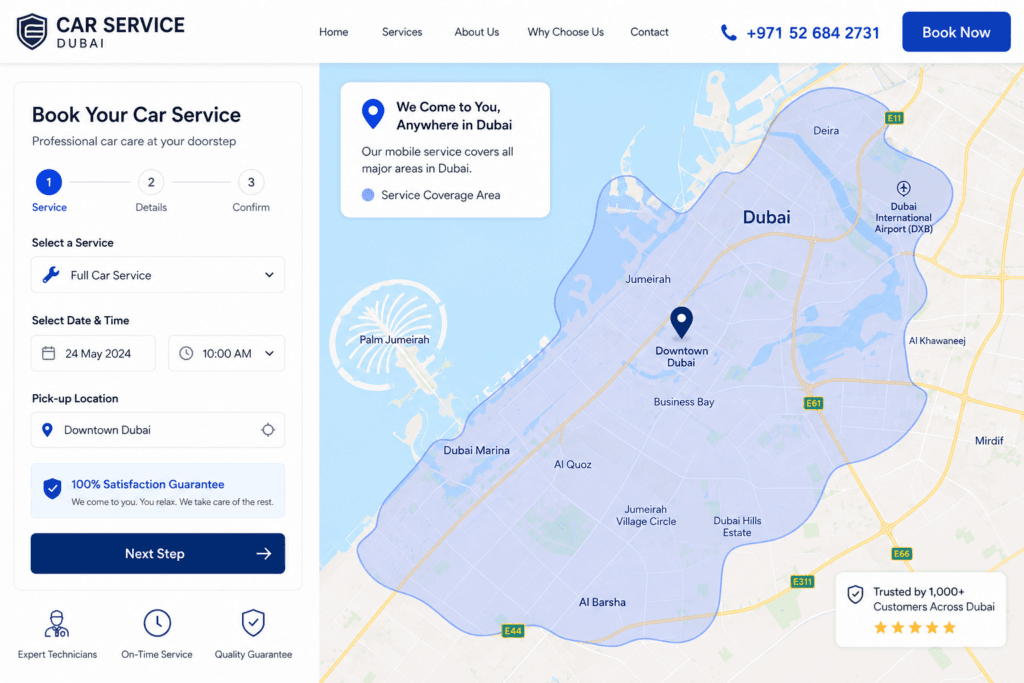
With our at-home Iron Profile Test in Dubai you can have your blood sample collected at your home office or hotel by an experienced healthcare professional saving you the time and hassle of visiting a clinic or laboratory.
The process is simple private and designed to fit around your schedule.
Choose the date and time that works best for you.
Appointments can be booked online or through WhatsApp with flexible availability including early mornings evenings and weekends whenever possible.
A certified and experienced phlebotomist will arrive at your chosen location anywhere in Dubai.
They’ll bring all the sterile equipment needed for a safe professional blood draw and confirm your details before the sample is collected.
Once collected your blood sample is transported under controlled conditions to a DHA-licensed CAP-accredited laboratory for analysis.
The same high-quality laboratory standards and diagnostic equipment used by leading hospitals are used to ensure accurate reliable results.
Most Iron Profile Test results are available within 24–48 hours.
Your report is delivered securely in digital format allowing you to review your results wherever you are.
In addition to your laboratory report you’ll receive a clear easy-to-understand summary explaining what each biomarker means and highlighting any values that may need medical attention.
If you’d like additional guidance you can book a short teleconsultation with a healthcare professional to review your report discuss possible causes of abnormal results and understand the most appropriate next steps.
First-time patients receive a complimentary 10-minute consultation subject to availability.
Many testing providers simply send a PDF filled with medical terminology.
We believe understanding your results is just as important as receiving them.
That’s why every report includes a personalised summary highlighting any abnormal values explaining what they may indicate in plain language and suggesting questions you may wish to discuss with your healthcare provider during your follow-up appointment.
Our pricing is transparent with no hidden home collection charges.
There are no unexpected fees added after booking.
We work with many major health insurance providers across the UAE.
Insurance coverage varies depending on your policy so we’ll help you check your eligibility during the booking process.
If your plan doesn’t cover the test you’re welcome to pay directly and submit your invoice to your insurance provider for possible reimbursement.
Please note: Insurance benefits differ between providers and individual plans. We recommend confirming your coverage before your appointment.
Our mobile phlebotomy team provides at-home Iron Profile Testing across Dubai including:
For many locations same-day appointments may be available depending on appointment availability.
Getting a blood test shouldn’t feel like a major task.
For many people it’s not the blood draw they worry about—it’s everything that comes before it. The traffic finding parking sitting in crowded waiting rooms and trying to fit a clinic appointment into an already busy day.
That’s one of the main reasons more people in Dubai are choosing at-home blood testing.
Traditional laboratory visits work well for some people but they aren’t always the most convenient option.
Common challenges include:
A blood test may only take a few minutes but travelling to the clinic finding parking checking in waiting to be called and travelling home can easily take several hours.
For busy professionals parents and caregivers that isn’t always practical.
Healthcare facilities can become busy particularly during peak hours.
If you’re pregnant older recovering from illness or have a weakened immune system avoiding unnecessary exposure to crowded environments can offer additional peace of mind.
Needle anxiety is more common than many people realise.
For some it’s enough to delay or completely avoid important blood tests even when they’re experiencing symptoms that need medical attention.
Not everyone can visit a clinic during normal working hours.
Finding an appointment that fits around work school or family commitments can be difficult.
At-home testing removes many of these obstacles while maintaining the same professional standards used in accredited healthcare facilities.
Instead of travelling to a clinic a trained phlebotomist visits your home office or hotel at a time that works for you.
No traffic.
No waiting room.
No disruption to your day.
Being in familiar surroundings helps many people feel calmer and more relaxed during a blood draw.
For those who experience anxiety around medical appointments having the test performed at home can make the entire experience much less stressful.
Avoiding crowded clinics can be particularly reassuring for:
Choosing home testing doesn’t mean compromising on quality.
Your blood sample is collected using the same professional procedures followed in hospitals and diagnostic centres before being transported to a DHA-licensed CAP-accredited laboratory for analysis.
The result is the same level of clinical accuracy you would expect from a hospital laboratory with the added convenience of staying at home.
Trust matters. Our laboratory partners follow internationally recognised quality standards and every sample is handled using strict collection transportation and testing protocols to ensure reliable results.
You’re in good company.
Many people feel anxious before a blood test and experienced phlebotomists understand how to make the process as comfortable as possible.
If you’re nervous simply mention it before your appointment.
Depending on your needs they may:
For most people the blood draw is completed in just a few minutes.
If your results show low iron stores keeping track of your daily iron intake can be surprisingly useful.
Many people use nutrition apps such as MyFitnessPal or a simple food diary to monitor iron-rich foods and identify patterns in their diet. Pairing iron-rich meals with foods high in vitamin C—such as citrus fruits strawberries kiwi or bell peppers—can help improve iron absorption while tea and coffee are best enjoyed between meals rather than with them.
Most people describe it as nothing more than a quick pinch that lasts a few seconds.
Our experienced phlebotomists use gentle techniques to make the process as comfortable as possible. If you’re anxious about needles or have small veins let us know before your appointment. When appropriate a butterfly needle can be used to improve comfort.
Yes.
Your blood sample is collected using the same professional standards followed in hospitals and is analysed by a DHA-licensed CAP-accredited laboratory that follows strict quality control procedures.
Choosing an at-home blood draw does not compromise the accuracy or reliability of your results.
Most Iron Profile Test results are available within 24–48 hours.
In many cases you’ll receive your secure digital report the following day depending on laboratory processing times.
Yes.
We work with many major health insurance providers across the UAE. Coverage varies depending on your individual policy so we’ll help you verify your benefits during the booking process.
If your insurance doesn’t cover the test transparent self-pay pricing is available with no hidden home collection fees.
Try not to worry.
An abnormal result doesn’t always mean you have a serious medical condition.
Your report includes an easy-to-understand explanation of each biomarker and you’ll be advised to discuss your results with a healthcare professional. Depending on your results the next step may involve dietary changes iron supplementation additional blood tests or investigating an underlying cause of iron deficiency or iron overload.
If available you can also arrange a follow-up teleconsultation to review your results in more detail.
You’ll usually need to fast for 8–12 hours before your blood draw.
Water is encouraged and helps make the blood collection easier.
If you take iron supplements or multivitamins containing iron they’re generally best avoided for at least 24 hours before the test unless your healthcare provider has advised otherwise.
Yes.
Iron Profile Testing can be performed for children when requested by a healthcare provider or parent.
Our phlebotomists have experience working with children and use calm child-friendly techniques to help make the experience as comfortable as possible. A parent or legal guardian must be present during the appointment.
Booking is quick and straightforward.
Simply visit our website or contact us through WhatsApp to choose your preferred appointment date and time. Once your booking is confirmed one of our experienced phlebotomists will visit your home office or hotel anywhere in Dubai at the scheduled time.
In many cases an at-home Iron Profile Test can be booked directly without a referral.
However some insurance providers may require a doctor’s request for reimbursement. If you’re planning to claim through insurance it’s a good idea to confirm your policy requirements before booking.
Yes.
Most people return to work or their usual daily routine immediately after the blood draw.
You may notice mild bruising around the needle site but this usually settles within a few days. Drinking plenty of water and keeping light pressure on the area for a few minutes can help reduce bruising.
Your Iron Profile Test is more than just a set of numbers.
It’s the starting point for understanding why you’ve been feeling the way you do and deciding what to do next.
Whether your results are normal show low iron stores or suggest iron overload the next steps should always be based on your symptoms medical history and advice from a qualified healthcare professional.
Normal results are reassuring but they don’t always explain ongoing symptoms.
If you’re still feeling tired all the time struggling with brain fog experiencing hair loss or feeling unusually weak your healthcare provider may recommend investigating other possible causes.
These may include:
Keeping a simple symptom diary over the next few weeks can help identify patterns and provide valuable information during your follow-up appointment.
Even with normal results maintaining good iron intake is important.
Aim to include iron-rich foods in your regular meals and combine them with vitamin C-rich foods such as oranges kiwi strawberries tomatoes or bell peppers to improve iron absorption.
If you enjoy tea or coffee try drinking them between meals rather than immediately before or after eating as they can reduce iron absorption.
The good news is that iron deficiency is usually very treatable once the underlying cause is identified.
Include more iron-rich foods in your meals whenever possible.
Good sources of heme iron (which is more easily absorbed) include:
Good plant-based sources of iron include:
Adding vitamin C-rich foods to the same meal helps your body absorb more of the iron you eat.
For example squeeze fresh lemon over lentil soup or add colourful peppers to a spinach salad.
Some foods and drinks make it harder for your body to absorb iron.
When possible:
Iron supplements can be very effective but they aren’t suitable for everyone.
Your healthcare provider may recommend preparations such as ferrous sulfate ferrous gluconate or ferrous bisglycinate depending on your needs and how well you tolerate them.
Taking more iron than your body needs can be harmful so avoid self-medicating without professional advice.
Treating low iron is only part of the solution.
It’s equally important to understand why your iron levels became low.
Your healthcare provider may investigate causes such as:
Addressing the underlying cause helps reduce the chance of iron deficiency returning.
Helpful tip: If you have heavy menstrual periods tracking your cycle and symptoms can help your healthcare provider assess how much iron you’re losing each month. In some cases treatments that reduce menstrual bleeding may also improve iron levels.
High iron levels require medical assessment and shouldn’t be ignored.
Depending on the pattern of your results your healthcare provider may recommend additional tests to confirm whether iron overload is present.
Until you’ve received medical advice you may be asked to:
For people diagnosed with hereditary hemochromatosis the American Society of Hematology recommends therapeutic phlebotomy (regular removal of blood) as the first-line treatment to safely reduce excess iron and help prevent long-term organ damage.
Lab results are only one part of the picture.
A short consultation with a qualified healthcare professional can help you understand what your results mean in the context of your symptoms lifestyle diet medications and medical history.
During your consultation you may discuss:
Our complimentary 10-minute teleconsultation is available for eligible first-time patients and provides an opportunity to review your results ask questions and discuss appropriate next steps with a licensed healthcare professional.
Iron deficiency and iron overload often develop gradually and the symptoms can be easy to overlook.
The encouraging news is that both conditions can usually be identified early and managed successfully when they’re detected promptly.
Whether your Iron Profile Test confirms healthy iron levels or reveals an imbalance understanding your results gives you the information needed to make informed decisions with your healthcare provider and support your long-term health.
Sometimes a simple blood test is the first step toward finally understanding why you haven’t been feeling like yourself.
Sometimes the hardest part is knowing whether your symptoms are worth investigating.
Our Iron Health Score Quiz is designed to help you understand your personal risk of iron deficiency or iron imbalance based on your symptoms diet and lifestyle.
It only takes about two minutes to complete.
The quiz includes simple questions such as:
After completing the quiz you’ll receive a personalised risk score:
Low Risk – Your answers suggest a low likelihood of iron deficiency. Continue eating a balanced diet and monitor any new symptoms.
Moderate Risk – Some of your answers suggest you may have reduced iron stores. An Iron Profile Test may be worth discussing with your healthcare provider.
High Risk – Your symptoms and risk factors are strongly associated with iron deficiency or another iron-related condition. Booking an Iron Profile Test and seeking medical advice is recommended.
Understanding iron doesn’t have to be complicated.
Our downloadable infographic follows the journey of iron through your body explaining what happens from the moment you eat an iron-rich meal until that iron is stored or used to make healthy red blood cells.
Iron from food
Absorption in the small intestine
Transport through the bloodstream by transferrin
Storage inside ferritin in the liver and bone marrow
Production of healthy red blood cells
Along the way it also highlights common reasons this process can be interrupted including:
Small daily habits can make a real difference.
Here are some evidence-based tips that healthcare professionals commonly recommend:
Reliable results begin with reliable standards.
Every Iron Profile Test is performed using strict laboratory and sample-handling procedures designed to deliver accurate dependable results.
This guide has been medically reviewed by Dr. [Insert Name] a licensed haematologist with more than 15 years of experience in diagnosing and treating iron disorders.
View Doctor Biography
The information throughout this guide reflects recommendations from internationally recognised organisations including:
Clinical information is supported by peer-reviewed research including recent publications on iron deficiency and anemia within the Middle East and North Africa.
Your blood sample is analysed by a laboratory that is:
View Laboratory Certifications
Many people discover the cause of their tiredness only after having a detailed Iron Profile Test.
Patient Testimonial Section
“I thought my constant fatigue was just part of a busy lifestyle. My Iron Profile Test showed my ferritin was extremely low even though my hemoglobin was normal. After treatment I finally had my energy back.” — Sarah Dubai
“Home testing was incredibly convenient. The appointment took just a few minutes and the report explained everything in language I could actually understand.” — Ahmed Dubai
If you’ve been feeling tired all the time struggling with hair loss or wondering whether low iron could be affecting your health an Iron Profile Test can provide clear answers.
With convenient at-home sample collection across Dubai accredited laboratory analysis and easy-to-understand results getting tested has never been simpler.
Book your appointment today and receive your results within 24–48 hours so you can discuss the right next steps with your healthcare provider.
https://healinghandshealthcare.ae/
Before your appointment download our free Symptom Journal to record your energy levels sleep hair loss and other symptoms. It only takes a few minutes and can provide valuable information when reviewing your test results.