
You’re drinking plenty of water. You’re getting enough sleep. Yet you still wake up feeling exhausted, lightheaded, or bothered by persistent muscle cramps that refuse to go away. It’s easy to blame a demanding work schedule, long hours, or the intense Dubai heat. But sometimes, the real cause is something far less obvious—an electrolyte imbalance.
Electrolytes are essential minerals that help your body function every second of the day. They regulate hydration, support healthy nerve signals, control muscle contractions, maintain your heartbeat, and keep your body’s fluid balance in check. When sodium, potassium, chloride, or bicarbonate levels become too high or too low, even slightly, your body may begin sending subtle warning signs. Fatigue, dizziness, weakness, headaches, irregular heartbeats, or frequent muscle cramps could all be your body’s way of telling you that something is out of balance.
That nagging fatigue you’ve been blaming on long work hours might actually be your body’s way of saying your sodium or potassium levels are off, and a simple Electrolytes Test at Home can provide answers without the need to visit a clinic.
In a fast-paced city like Dubai, it’s easy to postpone medical tests because of busy schedules, traffic, or the inconvenience of waiting rooms. Fortunately, professional at-home blood testing makes it possible to have your blood sample collected by a DHA-licensed phlebotomist from the comfort of your home, hotel, or office. Your sample is then processed in an accredited laboratory, providing reliable results that help your healthcare provider identify potential electrolyte imbalances and recommend the right treatment if needed.
This comprehensive guide will explain everything you need to know about an Electrolytes Test at Home in Dubai. You’ll discover what electrolytes are, why they matter, the common symptoms and causes of imbalance, who should consider testing, how the home blood collection process works, what your results may indicate, and the next steps if an abnormality is detected.
By the end of this guide, you’ll have the knowledge to recognize early warning signs, understand when testing is appropriate, and make informed decisions about your health. Instead of guessing why you don’t feel your best, you can rely on accurate laboratory testing to get clear answers—without disrupting your daily routine.
Electrolytes are minerals that carry an electrical charge when dissolved in your body’s fluids, such as blood. Although they make up only a small part of your blood chemistry, they play a vital role in keeping nearly every organ and system working properly. From regulating hydration and blood pressure to supporting muscle movement, nerve communication, and heart rhythm, electrolytes help your body maintain its natural balance every second of the day.
An Electrolytes Test at Home measures the levels of four essential electrolytes—sodium, potassium, chloride, and bicarbonate. These are the standard components of an electrolyte panel or basic metabolic panel and provide valuable insight into your body’s fluid balance, kidney function, and acid-base status. According to trusted medical resources such as MedlinePlus and the Cleveland Clinic, even small changes in these electrolyte levels can affect how your body functions and may indicate dehydration, kidney disorders, medication side effects, or other underlying health conditions.
Whether you’re recovering from illness, managing a chronic condition, or simply feeling “off” without a clear reason, checking your electrolyte levels can provide important answers before symptoms become more serious.
Sodium is the body’s primary electrolyte outside your cells and is essential for maintaining fluid balance. It helps regulate blood pressure, blood volume, and supports normal nerve impulses and muscle function. Your kidneys carefully control sodium levels to keep your body’s fluids in balance.
When sodium levels become too low (hyponatremia), you may experience fatigue, headaches, nausea, muscle weakness, confusion, or difficulty concentrating. In more severe cases, low sodium can lead to seizures or loss of consciousness.
When sodium levels become too high (hypernatremia), dehydration is often the underlying cause. Symptoms may include excessive thirst, dry mouth, dizziness, confusion, and weakness. High sodium levels require prompt medical evaluation, particularly in older adults and individuals with chronic illnesses.
Potassium is the most important electrolyte inside your cells. It plays a crucial role in muscle contractions, healthy nerve communication, and maintaining a regular heartbeat. Every heartbeat depends on balanced potassium levels.
Low potassium (hypokalemia) may develop after prolonged vomiting, diarrhea, excessive sweating, or the use of certain medications such as diuretics. Common symptoms include muscle cramps, weakness, fatigue, constipation, and irregular heart rhythms.
High potassium (hyperkalemia) is often associated with kidney disease or medications that affect kidney function. Because elevated potassium can interfere with the heart’s electrical activity, it may become a medical emergency if left untreated.
Chloride works closely with sodium to maintain the body’s fluid balance and blood volume. It also forms part of hydrochloric acid in the stomach, which is essential for proper digestion.
Abnormal chloride levels often occur alongside sodium imbalances and may indicate dehydration, kidney disorders, or conditions affecting your body’s acid-base balance. Although chloride doesn’t receive as much attention as sodium or potassium, it remains an essential part of a complete electrolyte assessment.
Bicarbonate acts as your body’s natural buffering system, helping keep your blood at a healthy pH level. It prevents your blood from becoming too acidic or too alkaline, allowing your organs and cells to function efficiently.
Low bicarbonate levels may suggest metabolic acidosis, which can occur in conditions such as kidney disease, severe dehydration, prolonged diarrhea, or uncontrolled diabetes. Elevated bicarbonate levels may indicate metabolic alkalosis, sometimes caused by excessive vomiting, certain medications, or chronic lung conditions.
Because bicarbonate reflects your body’s acid-base balance, it provides important information that goes beyond hydration alone.
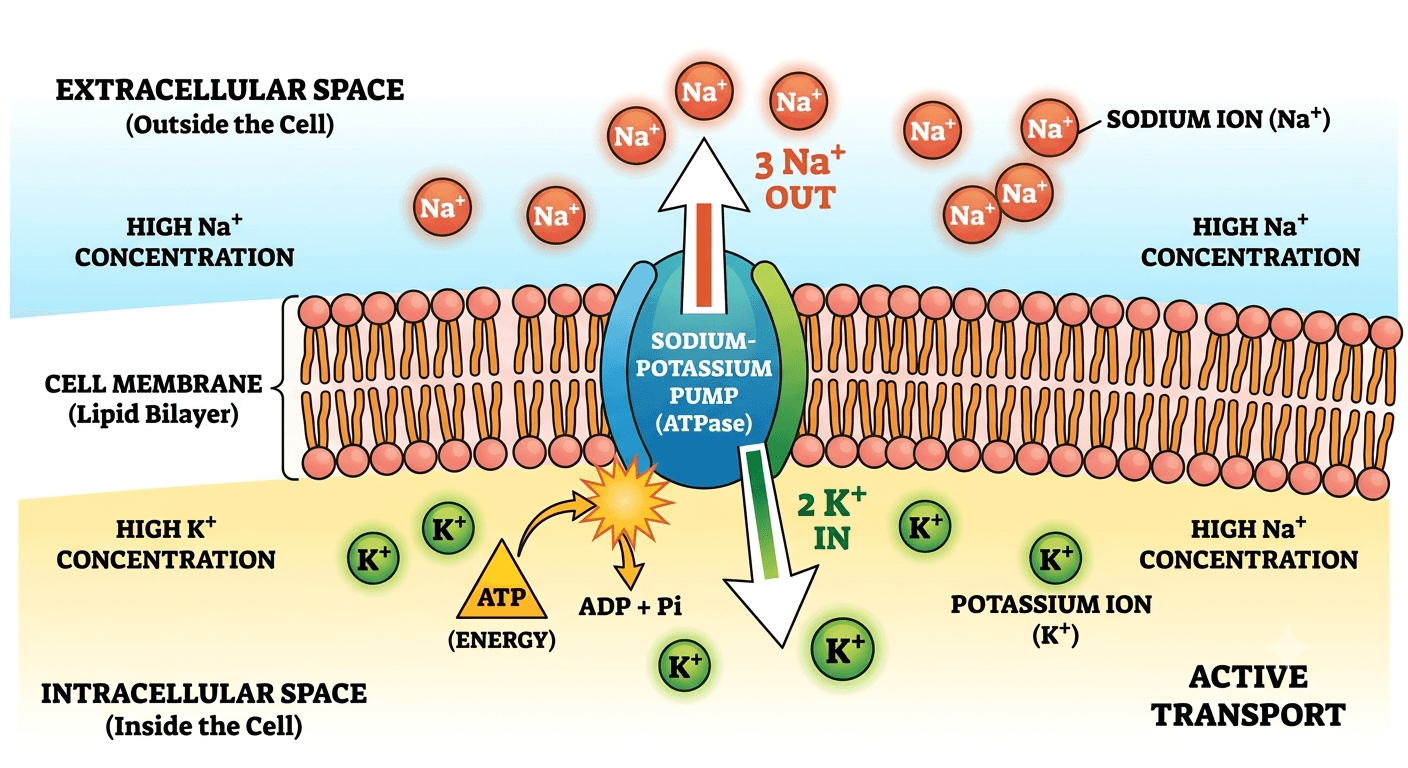
Electrolytes do much more than regulate hydration. They serve as the body’s internal communication system, allowing your muscles, nerves, heart, and organs to work together efficiently.
Water alone isn’t enough to keep you hydrated. Electrolytes help move water into and out of your cells through a natural process called osmosis. Think of them as tiny magnets that guide water to the areas where it’s needed most.
If your electrolyte levels become unbalanced, your body may struggle to use the water you drink effectively. This is why someone can still feel dehydrated despite drinking plenty of fluids.
Every movement you make—from blinking your eyes to taking a step—depends on electrical signals traveling between nerves and muscles.
These signals rely on a process known as the sodium-potassium pump. In simple terms, sodium stays mostly outside your cells while potassium stays inside. As these minerals move back and forth across the cell membrane, they generate the tiny electrical impulses that allow nerves to communicate and muscles to contract.
Without the right balance of sodium and potassium, this system becomes less efficient, leading to muscle cramps, weakness, tingling sensations, fatigue, or irregular heart rhythms.
Your body works hard to maintain a blood pH between 7.35 and 7.45. Even small changes outside this range can interfere with normal cellular function.
Bicarbonate helps stabilize this balance by neutralizing excess acids or bases in the bloodstream. When bicarbonate levels are abnormal, healthcare providers may investigate conditions affecting the kidneys, lungs, or metabolism.
Because acid-base balance influences nearly every organ system, bicarbonate is an important part of an Electrolytes Blood Test.
Expert Tip: Mild or moderate electrolyte imbalances often cause few or no symptoms, especially in older adults or people living with chronic conditions. Preventive blood testing can detect these changes early, allowing treatment before more serious complications develop.
Living in Dubai offers many advantages, but the climate and lifestyle can place extra demands on your body’s fluid and electrolyte balance.
Dubai’s high temperatures, especially during the summer months, cause the body to lose significant amounts of water and essential minerals through sweat. While rehydrating with water is important, replacing lost electrolytes is equally necessary after prolonged heat exposure or physical activity.
Many people spend most of their day in air-conditioned homes, offices, shopping malls, and vehicles. Although this provides relief from the heat, it can also reduce your awareness of thirst, making dehydration easier to overlook until symptoms begin to appear.
During Ramadan, long hours without food or water may temporarily affect hydration and electrolyte levels, particularly when fasting coincides with warmer weather. Individuals with chronic health conditions should follow their healthcare provider’s advice regarding hydration and routine blood testing.
Construction workers, delivery professionals, athletes, runners, cyclists, and fitness enthusiasts lose electrolytes more rapidly because of prolonged physical activity in hot conditions. Regular monitoring may be beneficial for those who exercise intensely or work outdoors.
Processed foods, restaurant meals, and high-salt diets may contribute to elevated sodium levels in some individuals. At the same time, people managing diabetes, kidney disease, heart disease, or high blood pressure often take medications that can influence electrolyte balance, making routine monitoring an important part of ongoing care.
For residents of Dubai and across the UAE, these local environmental and lifestyle factors make Electrolytes Testing at Home more than just a convenience—it can be a practical way to monitor your health before dehydration or electrolyte disturbances become more serious.
Electrolyte imbalances don’t always announce themselves with obvious symptoms. In fact, many people live with mild imbalances for weeks—or even months—assuming they’re simply tired, dehydrated, or under stress. Because electrolytes influence your muscles, nerves, heart, and hydration, even a small change in their levels can affect how you feel throughout the day.
The challenge is that these symptoms are often easy to overlook. Fatigue may be blamed on a busy work schedule, muscle cramps on exercise, or dizziness on the Dubai heat. While these explanations are common, persistent or recurring symptoms deserve a closer look.
An Electrolytes Test at Home can help identify whether an imbalance in sodium, potassium, chloride, or bicarbonate may be contributing to your symptoms. However, it’s important to remember that these symptoms can have many different causes. A blood test provides valuable information, but the results should always be interpreted by a qualified healthcare professional.
Your body relies on balanced electrolyte levels to function normally. When these minerals become too high or too low, your body often sends warning signals.
Feeling unusually tired despite getting enough rest is one of the most common signs of an electrolyte imbalance. Low sodium or potassium levels can interfere with normal muscle and nerve function, making everyday activities feel more exhausting than usual.
If your energy levels have dropped without an obvious reason, an electrolyte blood test may help determine whether your body’s mineral balance is contributing to the problem.
Frequent muscle cramps—especially in the legs, feet, or calves—are commonly associated with low potassium levels. Although magnesium and calcium deficiencies can also contribute to muscle spasms, potassium is one of the primary electrolytes evaluated during a standard electrolyte blood test.
Cramps that occur repeatedly, particularly after exercise or excessive sweating, shouldn’t be ignored.
Standing up quickly and feeling dizzy every now and then can happen to anyone. However, frequent dizziness or lightheadedness may indicate low sodium levels, dehydration, or changes in blood pressure related to electrolyte imbalance.
This is especially common after prolonged heat exposure, intense physical activity, vomiting, or diarrhea.
Electrolyte disturbances can affect the brain as well as the body. Low or high sodium levels may lead to headaches, nausea, difficulty concentrating, confusion, or unusual drowsiness.
These symptoms should never be dismissed if they become persistent or worsen over time.
Your heart depends on carefully balanced electrolyte levels—particularly potassium—to maintain a steady rhythm.
Too little or too much potassium can disrupt the heart’s electrical activity, causing palpitations, skipped beats, or an irregular heartbeat. Because these symptoms can become serious, they require prompt medical assessment.
Depending on which electrolyte is affected, you may also experience:
Symptoms often develop gradually, making them easy to mistake for everyday fatigue or stress.
Medical Note: According to the Cleveland Clinic and the NHS, many of these symptoms are not unique to electrolyte disorders and can occur with a variety of medical conditions. An electrolyte blood test is an important diagnostic tool, but a healthcare provider should evaluate your symptoms and interpret your results in the context of your overall health.
You may benefit from an Electrolytes Test at Home in Dubai if you are experiencing several of the following symptoms, especially if they persist or occur together:
If several of these symptoms sound familiar, an electrolyte blood test may help your healthcare provider identify whether an imbalance is contributing to how you feel. (For added convenience, many home healthcare providers also offer an interactive symptom checker on their service page to help determine whether testing may be appropriate.)
Electrolyte levels can change for many reasons. Some causes are temporary and easily corrected, while others may require ongoing medical management.
Dehydration is one of the most common causes of electrolyte imbalance.
Your body loses both water and essential minerals through sweating, vomiting, diarrhea, fever, and inadequate fluid intake. This is particularly relevant in Dubai, where high temperatures can lead to significant fluid loss, even during routine daily activities.
Certain medications can alter electrolyte levels without causing immediate symptoms.
These include:
Your doctor may recommend periodic electrolyte monitoring if you take any of these medications regularly.
Several long-term health conditions can affect how your body regulates electrolytes.
These include:
For people living with chronic illnesses, routine blood testing is often an important part of ongoing disease management.
Although diet alone rarely causes severe electrolyte imbalance in healthy individuals, it can contribute under certain circumstances.
Examples include:
Maintaining balance is more important than consuming excessive amounts of any one mineral.
Additional factors that may increase your risk include:
Many people experience more than one risk factor at the same time, making regular monitoring even more valuable.
Expert Tip: Before your home blood sample is collected, let the DHA-licensed phlebotomist know about all medications, vitamins, herbal products, and supplements you take—including over-the-counter medicines. Some can influence electrolyte levels and help your healthcare provider interpret your results more accurately.
Most electrolyte imbalances can be investigated through routine blood testing, but some symptoms may indicate a medical emergency that requires immediate treatment.
Seek emergency medical care immediately if you experience:
These symptoms may indicate a severe electrolyte disturbance or another serious medical condition that requires urgent evaluation in an emergency department.
A routine Electrolytes Test at Home is not appropriate in these situations. If you or someone around you develops these warning signs, call your local emergency medical services or go to the nearest emergency department without delay.
Getting your electrolyte levels checked no longer means rearranging your day around a clinic visit. With professional Electrolytes Testing at Home in Dubai, a qualified healthcare professional comes to you, collects your blood sample, and sends it to an accredited laboratory for analysis—all while you remain in the comfort of your home, hotel, or office.
The process is designed to be simple, accurate, and convenient without compromising the quality of laboratory testing. Because the sample is collected through standard venipuncture and processed in an accredited laboratory, the results are comparable to those obtained in hospitals and diagnostic centers.
Whether you’re managing a chronic condition, recovering from illness, or investigating symptoms such as fatigue or muscle cramps, home blood testing provides reliable answers without the inconvenience of travel or waiting rooms.
The process begins by scheduling your appointment with a trusted home healthcare provider.
You can usually:
Booking only takes a few minutes, making it easy to fit testing around your daily routine.
Before your appointment, you’ll receive preparation instructions based on the specific tests you’ve booked.
For an electrolyte panel, fasting is not always required, but if your doctor has requested additional blood tests—such as glucose or lipid testing—you may be advised to fast for 8 to 12 hours beforehand. Water is generally allowed unless you receive different instructions.
To help ensure the most accurate results, you may also be advised to:
Following the preparation instructions carefully helps reduce the chance of inaccurate or misleading results.
At your scheduled appointment, a DHA-licensed phlebotomist arrives with sterile, single-use equipment and everything needed to collect your sample safely.
Before collecting the blood sample, they will:
The blood draw itself usually takes only a few minutes. Most people describe it as a brief pinch that quickly passes.
Professional venipuncture allows enough blood to be collected for accurate laboratory analysis while minimizing the risk of sample contamination.
After collection, your blood sample is carefully labelled and placed into a temperature-controlled transport container.
The sample is then delivered to an accredited laboratory for analysis while maintaining appropriate handling conditions throughout transport.
Proper transportation is an essential part of quality laboratory testing because it helps preserve the integrity of the sample from collection to analysis.
Once your sample reaches the laboratory, experienced laboratory professionals analyze your electrolyte levels using standardized medical equipment.
A typical electrolyte panel measures:
Depending on the tests requested, your healthcare provider may also order additional investigations such as kidney function tests, glucose testing, or a Comprehensive Metabolic Panel to provide a broader picture of your health.
Because testing is performed in an accredited laboratory, the analytical standards are the same as those used for hospital-based blood tests.
Most electrolyte test results are available within 24 to 48 hours, although turnaround times may vary depending on the laboratory and any additional tests ordered.
Results are typically delivered securely through:
Some home healthcare services also offer a follow-up consultation with a doctor who can explain your results, answer questions, and recommend further evaluation or treatment if necessary.
Receiving professional guidance helps ensure your results are interpreted in the context of your medical history rather than viewed in isolation.
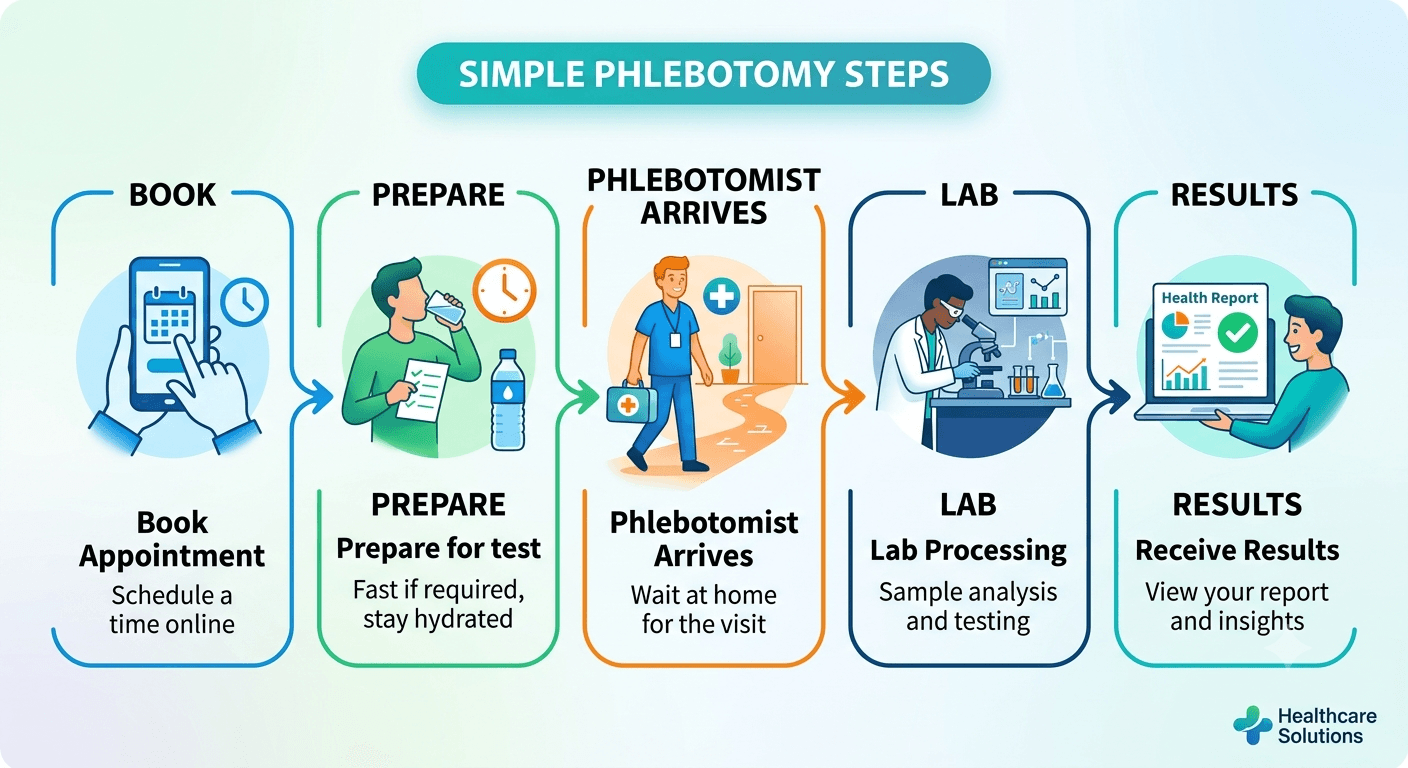
If you’ve never had a blood test at home before, you may be surprised by how straightforward the experience is.
The appointment is usually completed within 15 to 30 minutes.
Your DHA-licensed phlebotomist will first confirm your identity and explain the procedure before preparing the equipment. Once everything is ready, they’ll clean the area, collect a small blood sample from a vein in your arm, and apply gentle pressure followed by a small bandage after the needle is removed.
Most people can return to work, drive, eat, or continue their normal daily activities immediately after the appointment.
One of the biggest advantages of home sample collection is the environment itself. Being tested in familiar surroundings often reduces anxiety, particularly for older adults, people with limited mobility, busy professionals, parents caring for young children, or anyone who feels uncomfortable in busy clinical settings.
Instead of travelling across Dubai, searching for parking, or waiting in crowded reception areas, you can complete your blood test in complete privacy and comfort.
Patient Comfort Tip: Wearing a short-sleeved or loose-fitting shirt can make blood collection quicker and more comfortable.
Many people wonder whether a home blood test is as reliable as visiting a hospital or diagnostic laboratory.
When your blood sample is collected by a trained DHA-licensed phlebotomist and analyzed in an accredited laboratory, the accuracy is considered equivalent to hospital-based testing. The key difference is simply the location where the blood is collected—not how it is analyzed.
Professional home blood collection uses venipuncture, the same method used in hospitals and medical laboratories, ensuring an adequate sample volume for precise electrolyte measurement.
This remains the gold standard for electrolyte testing.
Because trained professionals collect the sample and accredited laboratories perform the analysis, results are highly accurate and suitable for medical decision-making.
Mail-in finger-prick kits can be useful for certain types of blood testing. However, electrolyte testing is more sensitive to collection errors, including insufficient sample volume or damage to blood cells during collection (hemolysis), which may affect the accuracy of some electrolyte measurements.
For this reason, healthcare providers generally prefer professionally collected venous blood samples when evaluating electrolyte balance.
Urine strips may provide general information about hydration or urine pH, but they cannot directly measure sodium, potassium, chloride, or bicarbonate levels in your bloodstream.
While they may be useful for basic home monitoring in certain situations, they should not be used as a substitute for a laboratory electrolyte blood test when an accurate diagnosis is needed.
Medical literature and laboratory research consistently support professionally collected, laboratory-processed blood samples as the most reliable method for assessing electrolyte levels. Studies also indicate that laboratory analysis provides greater analytical accuracy than instant home testing methods, particularly for tests that require precise measurement of blood chemistry.
Choosing a professionally performed Electrolytes Test at Home in Dubai offers several important advantages:
For most people, professional home blood testing combines the convenience of staying at home with the clinical accuracy expected from a hospital laboratory, making it an ideal option for routine health monitoring, chronic disease management, and investigating symptoms of electrolyte imbalance.
After your Electrolytes Test at Home, your laboratory report will show the level of each electrolyte measured in your blood alongside the laboratory’s reference (normal) range. These values help your healthcare provider determine whether your electrolyte balance is within the expected range or if further evaluation is needed.
The four primary electrolytes measured in a standard electrolyte panel are sodium, potassium, chloride, and bicarbonate. Together, they provide valuable information about your hydration status, kidney function, acid-base balance, and overall health.
Important: Reference ranges may vary slightly between laboratories because of differences in testing methods and equipment. The values below are based on widely accepted reference ranges published by trusted medical sources such as MedlinePlus and the Cleveland Clinic. Always interpret your results using the reference range provided on your laboratory report and discuss them with your healthcare provider.
Electrolyte | Typical Normal Range* | Low Level May Indicate | High Level May Indicate |
Sodium (Na⁺) | 135–145 mEq/L | Hyponatremia – Often associated with excessive water intake, heart failure, kidney disease, certain medications, or prolonged vomiting and diarrhea. Common symptoms include fatigue, headaches, nausea, confusion, and muscle weakness. | Hypernatremia – Frequently caused by dehydration, inadequate water intake, excessive fluid loss, or certain hormonal disorders. Symptoms may include intense thirst, restlessness, confusion, and, in severe cases, seizures. |
Potassium (K⁺) | 3.5–5.0 mEq/L | Hypokalemia – May result from diuretic use, vomiting, diarrhea, excessive sweating, or inadequate dietary intake. Symptoms include muscle cramps, weakness, fatigue, constipation, and irregular heartbeat. | Hyperkalemia – Commonly linked to kidney disease, certain blood pressure medications, or excessive potassium supplementation. It can interfere with heart rhythm and may cause palpitations, muscle weakness, or, in severe cases, paralysis. |
Chloride (Cl⁻) | 96–106 mEq/L | Hypochloremia – Often occurs alongside low sodium levels and may be associated with prolonged vomiting, heart failure, or certain lung and kidney conditions. Symptoms can include weakness, fatigue, and dehydration. | Hyperchloremia – May indicate dehydration, kidney disorders, excessive saline administration, or metabolic conditions. It often accompanies elevated sodium levels. |
Bicarbonate (HCO₃⁻) | 22–29 mEq/L | Low Bicarbonate (Metabolic Acidosis) – May occur in kidney disease, uncontrolled diabetes, severe diarrhea, or other metabolic disorders. Symptoms may include rapid breathing, fatigue, and confusion. | High Bicarbonate (Metabolic Alkalosis) – Can result from prolonged vomiting, diuretic use, excessive antacid use, or certain hormonal conditions. Symptoms may include muscle twitching, weakness, or numbness. |
*Reference ranges may differ slightly depending on the laboratory, patient age, medical history, and testing methodology.
Receiving your laboratory report can feel overwhelming if you’re unfamiliar with medical terminology. Fortunately, electrolyte reports are usually straightforward once you understand the format.
Most reports display:
For example, if your potassium level is reported as 3.2 mEq/L, the laboratory will usually highlight the result because it falls below the normal reference range of 3.5–5.0 mEq/L.
Similarly, a sodium result of 147 mEq/L may be flagged as slightly elevated, depending on the laboratory’s reference values.
These visual indicators help healthcare providers quickly identify results that may require further attention.
However, the numbers tell only part of the story.
One abnormal electrolyte result does not automatically mean you have a serious medical condition.
Temporary factors can influence your blood test, including:
Because electrolyte levels can change quickly, your healthcare provider will consider your symptoms, medical history, medications, and other laboratory findings before making a diagnosis.
In some situations, your doctor may simply recommend repeating the blood test after correcting dehydration or adjusting medications.
This is one reason why self-diagnosing based solely on laboratory values is discouraged.
Medical Disclaimer: Electrolyte blood test results should always be interpreted by a qualified physician or healthcare professional. Diagnosis and treatment decisions depend on your overall health, medical history, current symptoms, medications, and additional laboratory investigations—not on a single laboratory value alone.
If you’re arranging preventive health screening rather than investigating a specific symptom, your healthcare provider may recommend a Comprehensive Metabolic Panel (CMP) instead of a standalone electrolyte test.
A CMP includes the standard electrolyte panel while also evaluating other important aspects of your health, such as:
Because many electrolyte abnormalities are related to kidney disease, diabetes, dehydration, or liver disorders, a Comprehensive Metabolic Panel often provides a clearer picture of what’s happening inside your body.
For many adults undergoing routine health assessments, a CMP offers greater clinical value than measuring electrolytes alone.
Expert Tip: If you’re booking a routine Blood Test at Home in Dubai for preventive health screening, ask your healthcare provider whether a Comprehensive Metabolic Panel (CMP) would be more appropriate. It provides valuable information beyond electrolyte levels and may reduce the need for additional testing later.
The next step depends on how far your results fall outside the normal range, whether you’re experiencing symptoms, and your overall health.
Small changes are common and are not always a cause for concern.
Your doctor may recommend:
Many mild electrolyte abnormalities improve once the underlying cause is addressed.
When electrolyte levels are further outside the normal range, your healthcare provider may recommend additional investigations to determine the underlying cause.
These may include:
These tests help identify whether an underlying medical condition is affecting your electrolyte balance.
Significantly high or low sodium or potassium levels can become medical emergencies, particularly when accompanied by symptoms.
Immediate medical attention may be required if severe electrolyte abnormalities are associated with:
Treatment may involve intravenous fluids, medication adjustments, electrolyte replacement, or hospital monitoring, depending on the underlying cause.
Electrolyte levels are often most useful when viewed as part of a long-term health record rather than a single isolated test.
If you undergo regular blood testing because of kidney disease, diabetes, heart disease, high blood pressure, or medication monitoring, consider keeping your laboratory reports organized in a secure mobile health app or digital health record.
Tracking your results over time allows both you and your healthcare provider to:
For individuals living with chronic medical conditions, regular monitoring combined with professional medical advice can help detect changes early and reduce the risk of complications.
If you’re considering an Electrolytes Test at Home in Dubai, you’ll find several testing options available. While each method has its place, they differ significantly in terms of accuracy, convenience, turnaround time, and clinical reliability.
Understanding these differences can help you choose the option that best fits your health needs and lifestyle.
Note: The pricing below represents typical market estimates in Dubai and may vary depending on the healthcare provider, your location, and whether additional blood tests are included. Always confirm the latest pricing and turnaround time before booking.
Testing Method | Accuracy | Typical Cost (AED) | Typical Turnaround Time | Best For |
Professional Home Phlebotomy + DHA-Accredited Laboratory | ⭐⭐⭐⭐⭐ Hospital-grade accuracy | AED 250–600* | 24–48 hours | Individuals who want reliable laboratory results without leaving home. Ideal for busy professionals, older adults, people managing chronic conditions, families, and anyone who values convenience and privacy. |
DIY Finger-Prick Kit (Mail-in Laboratory Testing) | ⭐⭐⭐⭐ Moderate to High (depends on sample quality) | AED 150–400* | 3–7 days | People comfortable collecting their own blood sample. Suitable for certain laboratory tests but generally less suitable for electrolyte testing because collection errors may affect sample quality. |
Urine Test Strips (Instant Home Testing) | ⭐⭐ Screening only | AED 30–80* | Immediate | Basic hydration or urine pH monitoring at home. These strips cannot accurately measure blood electrolyte levels and should not be used to diagnose electrolyte imbalances. |
Clinic or Hospital Laboratory Testing | ⭐⭐⭐⭐⭐ Hospital-grade accuracy | AED 200–500* (consultation fees may apply) | Same day to 48 hours | People who prefer face-to-face healthcare visits or require additional medical evaluation during the same appointment. Travel, parking, and waiting times may also need to be considered. |
*Prices and turnaround times are approximate and may vary depending on the healthcare provider, laboratory, test panel selected, location within Dubai, and any promotional packages available.
When accuracy matters, professional home blood collection combined with laboratory analysis remains the preferred choice.
A DHA-licensed phlebotomist collects your blood sample using the same venous blood collection (venipuncture) technique used in hospitals. The sample is then processed in an accredited medical laboratory using standardized equipment and quality-controlled procedures.
Because the collection method and laboratory analysis are the same as those used in healthcare facilities, the accuracy is considered comparable to hospital-based testing.
The main difference is convenience—not quality.
Professional Electrolytes Testing at Home combines clinical accuracy with the comfort of staying in your own environment.
Mail-in finger-prick kits have become more widely available in recent years and can be convenient for certain laboratory tests.
However, electrolyte testing presents unique challenges.
Because only a very small blood sample is collected by the user, factors such as squeezing the finger too firmly, collecting an insufficient sample, or accidental damage to blood cells (hemolysis) can affect the accuracy of electrolyte measurements.
For this reason, healthcare professionals generally recommend professionally collected venous blood samples when evaluating sodium, potassium, chloride, or bicarbonate levels.
Instant urine testing strips are inexpensive and easy to use, but they measure completely different health markers.
While they may provide general information about hydration or urine acidity (pH), they cannot directly measure the concentration of electrolytes in your bloodstream.
As a result, urine strips are useful only for basic screening and should never replace a laboratory blood test when an electrolyte imbalance is suspected.
They are not appropriate for diagnosing sodium, potassium, chloride, or bicarbonate abnormalities.
Traditional laboratory testing remains an excellent option for many patients.
The testing itself is highly accurate because blood samples are collected and processed using the same clinical standards as professional home blood collection.
However, clinic visits may involve additional travel, parking, appointment scheduling, and waiting times—factors that can be challenging for people with busy schedules or limited mobility.
For individuals looking for a balance of accuracy, convenience, and professional care, Electrolytes Testing at Home in Dubai is often the most practical choice.
It provides:
This makes it particularly valuable for routine health screening, chronic disease monitoring, older adults, people recovering from illness, and anyone experiencing symptoms that may be related to an electrolyte imbalance.
Planning Multiple Tests? Many home healthcare providers offer bundled laboratory packages that combine an electrolyte panel with tests such as a Kidney Function Test (KFT) or a Comprehensive Metabolic Panel (CMP). These packages can provide a more complete assessment of your health while offering better value than booking each test separately. Ask your provider which combination best suits your needs.
One of the most common questions people ask before booking an Electrolytes Test at Home in Dubai is, “How much will it cost?” The answer depends on the type of blood test you choose, whether additional investigations are included, and the healthcare provider you book with.
Some people only need a standalone electrolyte panel to investigate symptoms such as fatigue, muscle cramps, or dizziness. Others may benefit from a broader health assessment that includes kidney function, blood sugar, and liver health.
Understanding what’s included in each package helps you choose the most appropriate option without paying for tests you don’t need.
Please Note: The prices below are general estimates for the Dubai market. Actual costs may vary depending on the provider, your location, appointment timing, and any seasonal offers or promotional packages.
A standalone electrolyte panel is designed to measure the body’s four primary electrolytes and identify potential imbalances affecting hydration, muscle function, nerve activity, and acid-base balance.
A standard Electrolytes Blood Test generally includes:
AED 250–400
The final price may vary depending on:
A standalone electrolyte panel is often suitable for people who:
If your doctor has already identified the need to monitor sodium or potassium levels, this option is often the most cost-effective choice.
For people looking for a broader overview of their health, many healthcare providers recommend a Comprehensive Metabolic Panel (CMP) rather than a standalone electrolyte test.
In addition to measuring electrolytes, a CMP evaluates several other important markers that help healthcare providers assess your overall metabolic health.
A Comprehensive Metabolic Panel usually includes:
AED 400–600
Pricing depends on the healthcare provider, laboratory, and any additional services included.
Because electrolyte abnormalities are often linked to kidney disease, diabetes, dehydration, or liver disorders, a CMP provides a more complete picture of your health than an electrolyte panel alone.
Rather than investigating one issue in isolation, it helps your healthcare provider understand how different organ systems are functioning together.
Expert Tip: If you’re booking a Blood Test at Home in Dubai as part of a routine health check-up or you’re managing a chronic condition such as diabetes, hypertension, or kidney disease, ask your doctor whether a Comprehensive Metabolic Panel (CMP) would be a better choice than a standalone electrolyte test.
Some medical conditions require electrolyte levels to be monitored regularly rather than just once.
Patients with conditions such as:
may need repeat blood testing every three to six months, depending on their doctor’s recommendations.
To make ongoing monitoring more convenient and affordable, some home healthcare providers offer discounted testing packages.
These may include:
For people who need regular blood work, these packages can reduce both the overall cost and the administrative hassle of booking each appointment separately.
They also make it easier to track health trends over time with the same provider and laboratory.
Understanding what isn’t included is just as important as knowing what is.
Depending on the provider, the following services may involve additional charges:
Some home healthcare companies include a physician review of your results, while others offer this as an optional teleconsultation or separate appointment.
If you’d like a doctor to explain your laboratory report, ask whether consultation fees are included before confirming your booking.
A basic electrolyte panel measures:
However, it does not usually include tests such as:
These investigations may be added if recommended by your healthcare provider and are generally billed separately.
Tests that evaluate cholesterol, hormones, infection markers, vitamins, or specialized medical conditions are not typically part of a routine electrolyte panel unless specifically requested.
When choosing a provider for an Electrolytes Test at Home in Dubai, transparency is just as important as convenience.
Before booking, it’s a good idea to confirm:
Knowing these details in advance helps you avoid unexpected costs and ensures you choose a package that matches both your healthcare needs and your budget.
The right testing package isn’t always the most expensive one—it’s the one that provides the information your healthcare provider needs to make informed decisions about your health.
An Electrolytes Test at Home can identify whether your sodium, potassium, chloride, or bicarbonate levels are outside the normal range—but knowing your results is only the first step.
If an imbalance is detected, your healthcare provider may recommend changes to your diet, hydration habits, medications, or lifestyle. In many cases, mild electrolyte disturbances can improve with appropriate nutrition and fluid intake. However, the right approach depends on which electrolyte is affected and why the imbalance occurred.
It’s important to remember that there is no one-size-fits-all solution. Eating more potassium, drinking sports drinks, or increasing your salt intake without knowing your blood test results could actually make certain conditions worse.
Each electrolyte has a different role in the body, which means dietary recommendations vary depending on your laboratory results and overall health.
Sodium helps regulate fluid balance, blood pressure, and nerve function.
If your sodium level is low, your healthcare provider may recommend increasing sodium intake through everyday foods rather than relying on supplements.
Foods that naturally contain sodium include:
For people with high sodium levels, the focus is usually on reducing excess sodium rather than adding more.
Simple ways to lower sodium intake include:
People with high blood pressure, heart disease, or kidney disease should always follow their healthcare provider’s dietary recommendations.
Potassium supports healthy muscles, nerves, and heart rhythm.
Foods naturally rich in potassium include:
These foods may be helpful for people with low potassium levels, but they are not appropriate for everyone.
Important: Individuals with kidney disease or reduced kidney function may need to limit potassium-rich foods. Increasing potassium without medical advice can lead to dangerously high blood potassium levels.
Chloride works together with sodium to maintain fluid balance and supports healthy digestion.
Most people obtain sufficient chloride through their normal diet.
Common dietary sources include:
Because chloride usually rises and falls alongside sodium, dietary advice often focuses on overall sodium intake rather than chloride alone.
Unlike other electrolytes, bicarbonate is not directly obtained from food.
Instead, your body naturally produces bicarbonate to help maintain a healthy acid-base balance.
A balanced diet rich in plant-based foods can support this process.
Foods that contribute to overall metabolic health include:
Limiting heavily processed foods and maintaining good hydration also supports healthy acid-base regulation.
The table below provides general nutrition guidance based on common electrolyte imbalances. These recommendations should complement—not replace—medical advice.
If Your Test Shows… | Eat More Of… | Try to Limit… |
Low Sodium | Homemade broths, lightly salted meals (only if advised by your doctor), dairy products | Excessive plain water intake without electrolyte replacement, particularly after prolonged sweating |
High Sodium | Fresh fruits, vegetables, home-cooked meals, water | Processed foods, packaged snacks, fast food, cured meats, salty restaurant meals |
Low Potassium | Bananas, oranges, spinach, potatoes, avocados, beans, lentils | Highly processed foods with limited nutritional value |
High Potassium | Follow your healthcare provider’s dietary plan | Potassium supplements and large amounts of potassium-rich foods unless approved by your doctor |
Low Bicarbonate | Balanced meals rich in fruits, vegetables, and whole foods | Excessive processed foods and sugary drinks as part of an overall healthy eating strategy |
Remember: Your healthcare provider may recommend different dietary changes depending on the underlying cause of your electrolyte imbalance, existing medical conditions, and medications.
Living in Dubai means your body loses more fluid through perspiration than in many cooler climates.
Even mild dehydration can influence electrolyte levels, especially during the summer months or after prolonged outdoor activity.
General hydration tips include:
If you participate in endurance sports or spend long periods working outdoors, your healthcare provider may recommend beverages that replace both fluids and electrolytes after significant sweat loss.
Remember, hydration is about replacing both water and essential minerals when appropriate—not simply drinking larger amounts of water.
Electrolyte drinks and powdered supplements have become increasingly popular among athletes, gym-goers, and people recovering from illness.
Products such as LMNT and Liquid I.V. are designed to replace electrolytes lost through heavy sweating or prolonged physical activity.
For healthy individuals participating in intense exercise, these products may be useful in certain situations.
However, they are not necessary for everyone.
Taking electrolyte supplements without knowing your actual blood electrolyte levels may result in consuming more sodium or potassium than your body needs.
Whenever possible, it’s best to base supplementation on medical advice and, where appropriate, laboratory testing rather than guesswork.
Dietary supplements can play an important role when prescribed or recommended by a healthcare professional.
Examples include:
The correct supplement—and the correct dose—depends entirely on your individual blood test results and medical history.
More is not always better when it comes to electrolytes.
Self-treating suspected deficiencies with high-dose supplements can sometimes create a more serious problem than the original imbalance.
This is particularly true for potassium supplements.
High potassium levels can interfere with the heart’s normal rhythm and, in severe cases, become life-threatening.
People with kidney disease, heart disease, or those taking medications such as ACE inhibitors, ARBs, or potassium-sparing diuretics should never start potassium supplements without medical supervision.
Similarly, consuming excessive sodium through supplements or sports drinks may worsen high blood pressure, heart failure, or kidney disease in susceptible individuals.
Expert Tip: Before using electrolyte powders, tablets, or high-dose mineral supplements, consider having an Electrolytes Blood Test at Home to understand what your body actually needs. Treating a confirmed imbalance is safer—and far more effective—than trying to guess which electrolyte may be low.
A balanced diet, adequate hydration, regular physical activity, and routine health monitoring all play a role in maintaining healthy electrolyte levels.
If you’re experiencing persistent fatigue, muscle cramps, dizziness, or other symptoms that may suggest an electrolyte imbalance, professional testing provides a reliable starting point. Once your results are available, your healthcare provider can recommend a personalized nutrition and hydration plan based on your individual needs rather than assumptions.
Most electrolyte imbalances develop gradually and can be investigated through a routine Electrolytes Test at Home. However, some symptoms may indicate a severe electrolyte disturbance or another serious medical condition that requires immediate treatment.
In these situations, do not wait for a home blood test or a routine doctor’s appointment.
Seek emergency medical care immediately.
Call 998 (UAE Ambulance) immediately or go to the nearest Emergency Department if you or someone around you experiences any of the following symptoms:
Sudden confusion, difficulty recognizing familiar people or places, unusual drowsiness, or altered mental status may indicate a serious sodium imbalance or another medical emergency affecting the brain.
Immediate medical assessment is essential.
Electrolyte disturbances—particularly severe potassium abnormalities—can interfere with the heart’s electrical activity.
Seek emergency care immediately if you experience:
These symptoms require urgent evaluation and should never be monitored at home.
Seizures may occur in severe electrolyte disorders, particularly when sodium levels become dangerously low or high.
Anyone experiencing a seizure should receive emergency medical attention without delay.
Fainting or loss of consciousness can result from several life-threatening medical conditions, including severe electrolyte imbalance.
Call emergency medical services immediately.
Do not attempt to drive yourself to the hospital.
Severe potassium abnormalities can affect normal muscle function.
If you suddenly experience:
seek emergency treatment immediately.
An Electrolytes Test at Home is designed for routine assessment, preventive health screening, and monitoring ongoing medical conditions.
It is not intended to replace emergency medical care.
If any of the symptoms above occur, call 998 or go to the nearest emergency department immediately.
Receiving prompt treatment can prevent serious complications and may be life-saving.
Receiving your laboratory report is only one part of the process.
Understanding why your electrolyte levels changed—and what should happen next—is equally important.
Before speaking with your doctor, review your laboratory report and make a note of any symptoms you’ve experienced.
Preparing a few questions in advance can help you get the most from your appointment.
Consider asking:
Bringing a written list of questions helps ensure nothing important is forgotten during the consultation.
If your symptoms have been ongoing, keeping a simple diary for several days before your appointment can provide valuable information.
Record details such as:
This information helps your healthcare provider interpret your laboratory results within the context of your daily routine rather than relying on blood test values alone.
Expert Tip: A one-week hydration and symptom diary often provides useful clinical context, especially if your symptoms come and go or are influenced by exercise, hot weather, or medication changes.
Fasting is not always required for a standalone electrolyte panel. However, if your doctor orders additional tests—such as glucose or a Comprehensive Metabolic Panel (CMP)—you may be asked to fast for 8–12 hours beforehand. Follow the preparation instructions provided by your healthcare provider or laboratory.
When a DHA-licensed phlebotomist collects your blood sample and it is analyzed in an accredited laboratory, the accuracy is considered comparable to hospital-based laboratory testing.
Most electrolyte blood test results are available within 24 to 48 hours, although turnaround times may vary depending on the laboratory and any additional tests ordered.
Some UAE health insurance plans may cover home blood testing when it is medically necessary or prescribed by a physician. Coverage varies between insurers and policies, so it’s best to confirm your benefits with both your insurance provider and the home healthcare service before booking.
Professional home blood collection services in Dubai typically use DHA-licensed phlebotomists who are trained to perform venous blood collection safely and according to local healthcare regulations.
Yes. Home blood collection is often an excellent option for children, older adults, people with limited mobility, and patients recovering from illness. A parent, legal guardian, or caregiver should be present during the appointment when appropriate.
The ideal testing frequency depends on your medical history.
For many healthy adults, testing may only be needed as part of an annual health assessment.
People with kidney disease, heart disease, diabetes, high blood pressure, or those taking medications that affect electrolyte balance may require testing every three to six months, or as recommended by their healthcare provider.
Your laboratory report will identify results that fall outside the reference range.
Depending on the severity of the abnormality, your doctor may recommend:
Never change prescribed medications or begin electrolyte supplements without professional medical advice.
The information provided in this article is intended for educational purposes only and should not be considered a substitute for professional medical advice, diagnosis, or treatment. Always consult your physician or another qualified healthcare professional regarding any medical concerns or questions about your health. Never ignore or delay seeking professional medical advice because of information you have read here. If you believe you are experiencing a medical emergency, call 998 immediately or go to the nearest emergency department.
Medical Reviewer:
[Name, Qualifications]
Licensed Physician / Clinical Pathologist
[Years] years of clinical experience in internal medicine, laboratory medicine, or a related specialty.
Reviewer details should be updated before publication.
If you’re experiencing persistent fatigue, muscle cramps, dizziness, unexplained weakness, or simply want to monitor your health proactively, an Electrolytes Test at Home in Dubai offers a convenient and reliable way to assess your body’s electrolyte balance.
A DHA-licensed phlebotomist will collect your blood sample from the comfort of your home, hotel, or office, and your sample will be analyzed in an accredited laboratory using hospital-quality standards. You’ll receive secure digital results—typically within 24 to 48 hours—along with the option to discuss your report with a qualified healthcare professional if needed.
Book your Electrolytes Test at Home today and gain accurate, laboratory-quality insights into your health—without the travel, waiting rooms, or disruption to your daily routine.