
You’ve been trying to start a family. Months pass, and nothing happens. The uncertainty gnaws at you. Is it you? Is it your partner? In Dubai, where life moves fast and privacy is prized, the thought of a fertility test can feel overwhelming. But here’s the truth: a semen analysis is a quick, private, and remarkably informative first step, and it’s far more common than you imagine.
This guide strips away the confusion. You’ll learn exactly what a sperm test measures, how to prepare without stress, where to go in Dubai, what it costs, and, most importantly, how to understand your results. We’ll walk you through every stage, from deciding between an at-home kit and a lab test to taking action if the numbers aren’t what you hoped.
By the end, you’ll have a clear, step-by-step roadmap tailored to Dubai’s healthcare landscape. You’ll know how to protect your privacy, save money, and approach the process with confidence. Whether you’re planning for the future or facing a current challenge, this is your no-nonsense, all-in-one resource.
Ready to take control? Let’s start with the basics.
A semen analysis (often called a sperm test or sperm count test) is a laboratory examination of a freshly collected semen sample. It evaluates the health and quality of sperm and the fluid that carries them. The test is the cornerstone of male fertility assessment, but it’s also used to confirm the success of a vasectomy and as a general wellness check for men curious about their reproductive health.
Labs in Dubai perform the test according to the World Health Organization’s laboratory manual for the examination and processing of human semen (6th edition, 2021), the global standard for how the test is done and interpreted.
The lab report will typically include these core values, each telling a different part of the fertility story:
Expert tip: Don’t fixate on a single number. Fertility is a team effort, and a specialist looks at the whole picture. One slightly low parameter doesn’t automatically mean infertility.
You might consider a semen analysis if:
It’s normal to feel anxious or embarrassed. Many men in Dubai delay testing because they fear a “bad” result or the awkwardness of sample collection. That’s understandable, but worth naming openly: a semen analysis is a medical test like any other. It provides data, not a judgment. The sooner you know, the sooner you can act.
Male-factor issues are identified in a large share of couples struggling to conceive, which is exactly why semen analysis is recommended as one of the first investigations for couples experiencing infertility, not a last resort.
Proper preparation is the single most important factor in getting accurate results. Follow these steps carefully.
Abstain from ejaculation for 2 to 5 days before the test. Shorter than 2 days can lower sperm concentration; longer than 5 days can reduce motility and increase DNA fragmentation. Aim for 3–4 days for the most representative sample.
If you’re already taking evidence-informed supplements like CoQ10, zinc, or folic acid for long-term sperm health, keep taking them as usual — they won’t change your results overnight, but it’s worth mentioning them to your doctor.
The process can be done at a clinic or at home with a collection kit. Here’s exactly what happens.
Many Dubai clinics and services now offer home collection for added privacy and convenience.
Expert tip: If using a home collection service, plan the logistics in advance. Know the lab’s location, traffic conditions, and the exact drop-off window. A sample that arrives too late or too cold may be rejected, and you’ll have to repeat the test.
The World Health Organization publishes reference ranges based on studies of fertile men. These are the current (6th edition, 2021) values, and they’re the ones Dubai labs generally report against. Your lab report will list your results alongside these normal ranges.
| Parameter | Normal Range (WHO 2021) |
|---|---|
| Semen Volume | ≥ 1.5 mL |
| Sperm Concentration | ≥ 15 million per mL |
| Total Sperm Count | ≥ 39 million per ejaculate |
| Total Motility | ≥ 40% motile |
| Progressive Motility | ≥ 32% progressively motile |
| Vitality (Live Sperm) | ≥ 54% live |
| Sperm Morphology (Normal Forms) | ≥ 4% normal forms |
| pH | ≥ 7.2 |
| White Blood Cells | < 1 million per mL |
A note on consistency: most DHA-licensed labs in Dubai now report against the WHO 2021 (6th edition) cutoffs, but you may occasionally see an older report still referencing the 2010 (5th edition) manual, which used slightly different thresholds for a few parameters. If your report doesn’t say which edition it’s using, ask the lab — it matters for how a borderline result should be read.
Expert tip: If only one parameter is borderline, don’t panic. Fertility is multifactorial. A reproductive specialist will interpret the results in the context of your age, your partner’s fertility, and how long you’ve been trying.
At-home sperm tests have become popular, but they are not a replacement for a full lab analysis. Here’s a direct comparison to help you decide.
| Feature | At-Home Test | Lab Analysis |
|---|---|---|
| Parameters Measured | Usually only sperm concentration; some add motility. Cannot assess morphology, pH, or vitality. | Comprehensive: volume, concentration, total count, motility, progressive motility, morphology, pH, vitality, white blood cells. |
| Accuracy | Reasonable for concentration if used correctly, but can miss issues with motility or shape. | Gold standard; performed by trained technicians using calibrated equipment and standardized methods. |
| Turnaround Time | Results in minutes on a smartphone app or test strip. | Basic results same day; full report in 24–48 hours. |
| Need for Clinic Visit | None; done entirely at home. | Requires a visit for collection or drop-off, unless using a home collection service. |
| Best For | Initial screening, curiosity, or monitoring after lifestyle changes. | Infertility evaluation, pre-conception planning, post-vasectomy confirmation, and when a full picture is needed. |
Devices like smartphone-based sperm analyzers or strip tests can give a rough read on concentration, and some also estimate motility. They’re FDA-cleared in their category, but independent reviews of at-home fertility kits consistently note they miss morphology, vitality, and infection markers — the parameters that often explain an otherwise-confusing result. Treat an at-home kit as a first screen, not a diagnosis. If it flags anything abnormal, follow up with a full lab analysis.
Prices vary widely depending on the clinic, whether you go in person or book home collection, and what’s bundled with the test. Based on current published pricing from Dubai providers:
| Provider | Price (AED) | What’s Included |
|---|---|---|
| Health247 Group | From 99 | Home collection, lab coordination, standard report |
| Almalaki Healthcare | 199 | Home sample collection, 24–48 hour report |
| DrPlus | From 150 (private labs typically 150–400) | Lab or home collection, DHA-accredited results |
| Care24 | Not published — quote on booking | DHA-certified nurse home collection, lab analysis |
| Vesta Care | Not published — quote on booking | DHA-licensed nurse home collection, lab analysis |
| Doctors Clinic Dubai City (DCDC) | From 200, advanced panels 500–800 | On-site private collection room, WHO 2021 panel, same-day partial results |
| Hospital fertility/andrology departments | Typically 300–600, up to 1,000+ for bundled panels | Specialist consultation, semen analysis, sometimes hormone testing |
A few things worth knowing before you book:
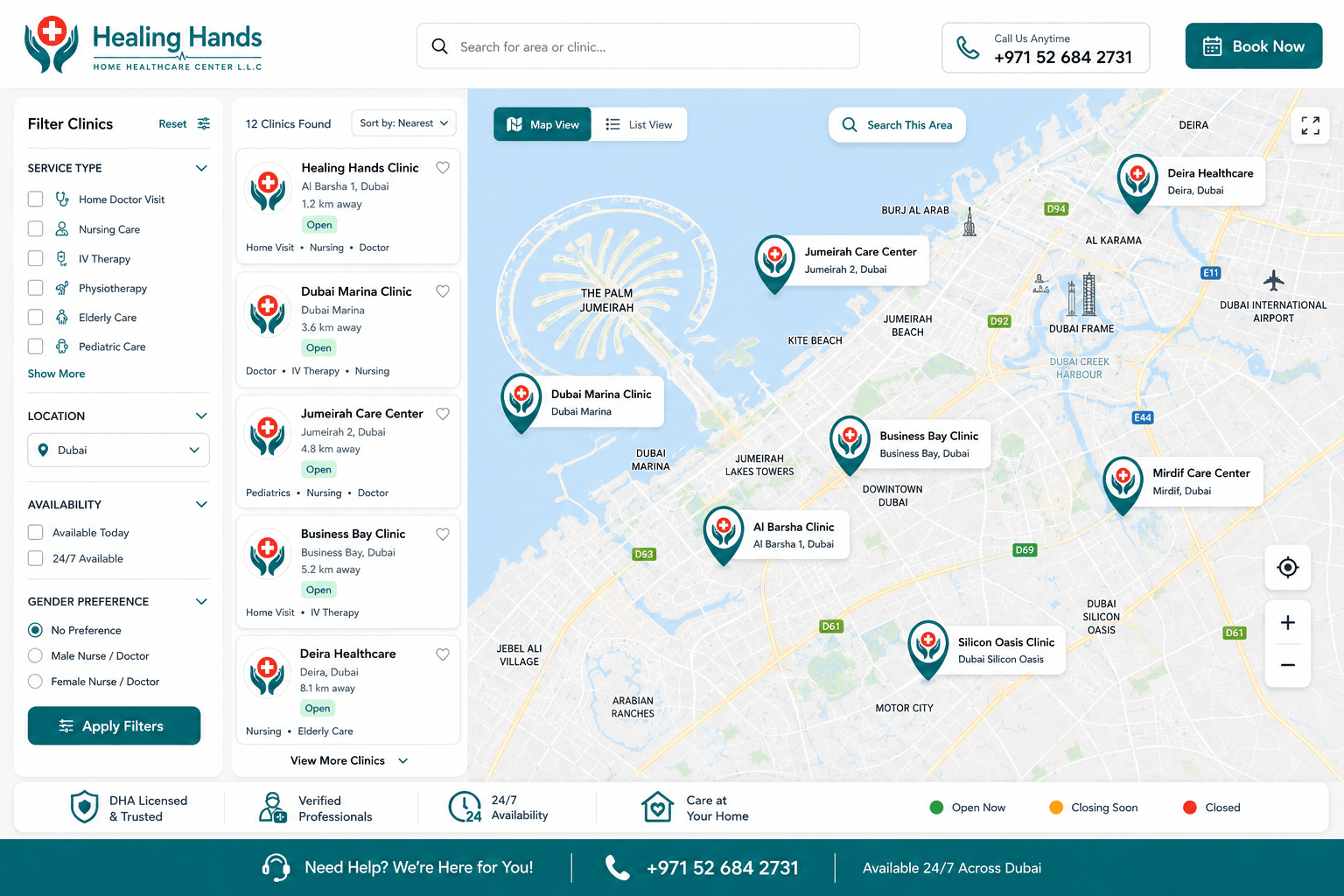
Here are reputable, licensed facilities that offer semen analysis. This list is not exhaustive but gives you a starting point — always confirm current DHA/MOHAP licensing directly with the provider before booking.
An abnormal result is not a final verdict. It’s a starting point for further investigation and action.
Sperm parameters fluctuate. If your first result is abnormal, repeat the test after about three months. This allows a full sperm production cycle (roughly 74 days) to pass, giving a more reliable picture.
If the repeat test is still abnormal, book an appointment with a urologist or andrologist who specializes in male fertility. Many Dubai fertility centers have male specialists on staff. Bring all your reports.
Expert tip: Ask your specialist about a comprehensive male fertility panel that includes hormonal tests — FSH, LH, testosterone, prolactin, and estradiol. These can reveal underlying issues like hypogonadism or a pituitary problem.
Depending on the findings, your doctor may recommend:
Even without a clear medical diagnosis, lifestyle changes can meaningfully improve sperm health over 3–6 months:
Receiving an abnormal result can be genuinely hard to sit with. It’s okay to feel upset, or unsure how to talk about it. Talk to your partner openly when you’re ready. Many Dubai clinics offer fertility counseling, and teleconsultation platforms can be a more discreet first step if an in-person conversation feels like too much right now.
Living in Dubai presents a few specific challenges to sperm health. Here’s how to protect yours.
The testicles need to be a few degrees cooler than body temperature. Dubai’s extreme heat, combined with everyday habits, can raise scrotal temperature and impair sperm production.
A Mediterranean-style diet rich in omega-3 fatty acids and antioxidants, and low in processed foods, is associated with better sperm quality. Nutrients worth focusing on:
Chronic stress raises cortisol, which can suppress testosterone, and Dubai’s fast-paced work culture doesn’t make that easier. Prioritize 7–8 hours of sleep, and consider simple stress-reduction habits — even a short daily walk can help.
Is the test painful? No. Collection is through masturbation, which is not painful. There are no needles or invasive procedures.
How private is the process? Very. In a clinic, you’re given a private, locked room. At home, you’re in your own space. Results are confidential and shared only with you, and your doctor if you consent.
Can I use a condom or lubricant? No. Condoms often contain spermicides, and lubricants can be toxic to sperm. Use only the sterile container provided.
How long does it take to get results? Basic parameters (count, motility) can be ready within hours to a day. A full report with morphology typically takes 24–48 hours.
What if I can’t produce a sample at the clinic? This is common. Many clinics let you collect at home and bring the sample in, as long as you deliver it within roughly 30–60 minutes. Some offer full home collection services instead.
Will my insurance cover the test? Most basic insurance plans in Dubai do not cover fertility testing, though some comprehensive or higher-tier plans may, particularly when a doctor orders it as part of a documented infertility workup. Check with your provider directly.
How accurate are at-home sperm tests? They can be reasonably accurate for sperm concentration, but they miss many other important factors, like morphology and infection markers. A lab test is always recommended for a full evaluation.
I had a vasectomy. When should I test? Usually 8–12 weeks after the procedure, and after a minimum number of ejaculations your urologist will specify. Your urologist will give you an exact timeline.
Can I improve my sperm quality quickly? Sperm take about 74 days to mature, so lifestyle changes need at least three months to show an effect. Be patient and consistent.
Where can I find a male fertility specialist in Dubai? Look for a urologist or andrologist with a subspecialty in male infertility at a DHA-licensed hospital or fertility center, and confirm their credentials directly with the facility.
You now have all the information you need to move forward with confidence. Whether you choose an at-home screening or a comprehensive lab analysis, the most important step is the first one. Don’t let discomfort or embarrassment delay your peace of mind.
This guide reflects WHO 2021 reference standards and publicly available pricing and provider information as of August 2026. It is written for general information only and is not a substitute for personalized medical advice — always consult a qualified healthcare professional about your specific situation.